Telecommunications quick payment services represent a fundamental shift in how subscribers interact with their service providers. These systems eliminate traditional barriers between billing notification and settlement, creating near-instantaneous transaction pathways that operate across multiple digital channels.
The architecture of quick payment in telecommunications contexts differs significantly from conventional billing cycles. Rather than relying on monthly statements and delayed processing windows, these systems enable real-time account updates, immediate service restoration, and dynamic balance management.
Mobile operators and internet service providers have pioneered quick payment methodologies that integrate directly with digital wallets, banking APIs, and card processing networks. This integration allows subscribers to settle outstanding balances without navigating complex portal structures or waiting for manual verification processes.
The user experience of telecommunications quick payment systems prioritizes accessibility and speed. Subscribers can initiate transactions through mobile applications, web portals, SMS commands, or voice-activated interfaces. Each channel connects to centralized payment processing engines that validate, execute, and confirm transactions within seconds.
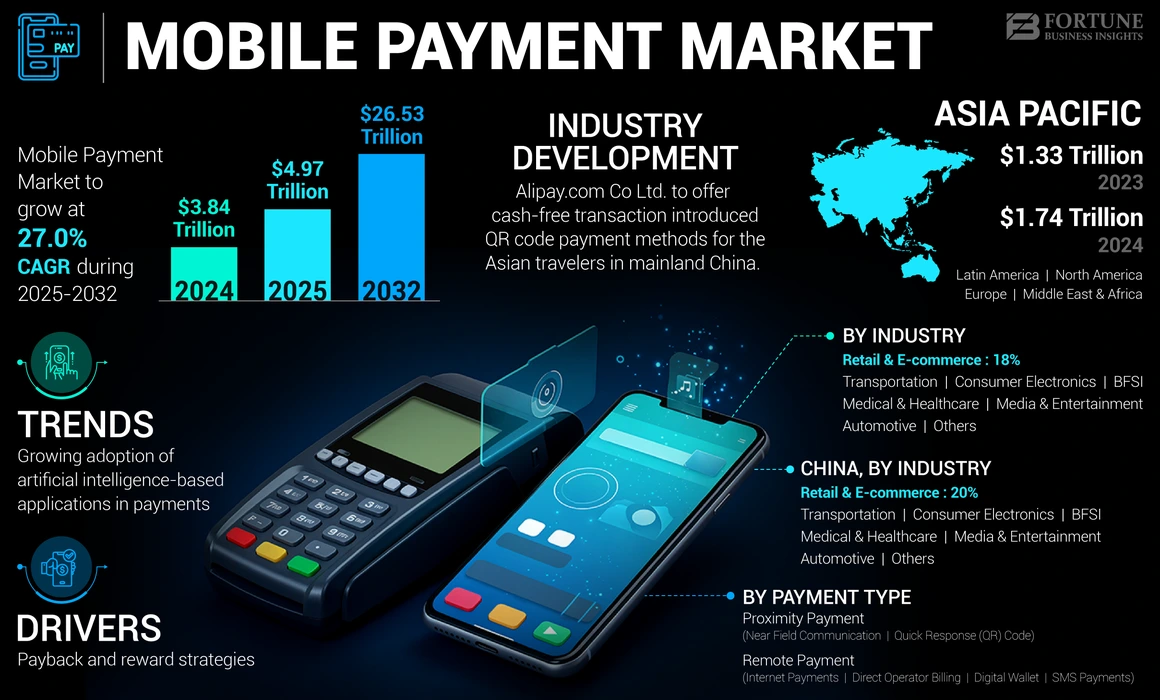
The Infrastructure of Instant Payment in Telecommunications
Behind these seamless interfaces operate sophisticated technical frameworks. Payment gateways interface with telecommunications billing systems, customer databases, and financial institution networks. Transaction security protocols authenticate users, encrypt sensitive data, and maintain compliance with international payment standards.
Quick payment services in telecommunications also address unique operational challenges. Service continuity depends on immediate payment recognition. When a subscriber settles an overdue balance through a quick payment channel, the telecommunications system must instantly update service provisioning rules, restore network access, and synchronize across multiple backend platforms.
Cross-Platform Synchronization
Modern telecommunications quick payment systems synchronize transaction data across billing platforms, customer relationship management systems, and network provisioning tools to ensure real-time service updates.
The proliferation of quick payment options has also transformed customer service operations. Support representatives can now direct subscribers to instant payment channels during calls, reducing queue times and enabling self-service resolution for payment-related inquiries.
As telecommunications markets become increasingly competitive, quick payment capabilities serve as differentiation factors. Providers that offer frictionless, multi-channel payment experiences retain subscribers more effectively than those maintaining traditional billing structures.
Explore Related Perspectives
- How instant settlement systems process telecommunications quick payment transactions
- The mobile-first approach to telecommunications quick payment interfaces
- Security architectures protecting telecommunications quick payment systems
- The transition from paper billing to digital quick payment ecosystems